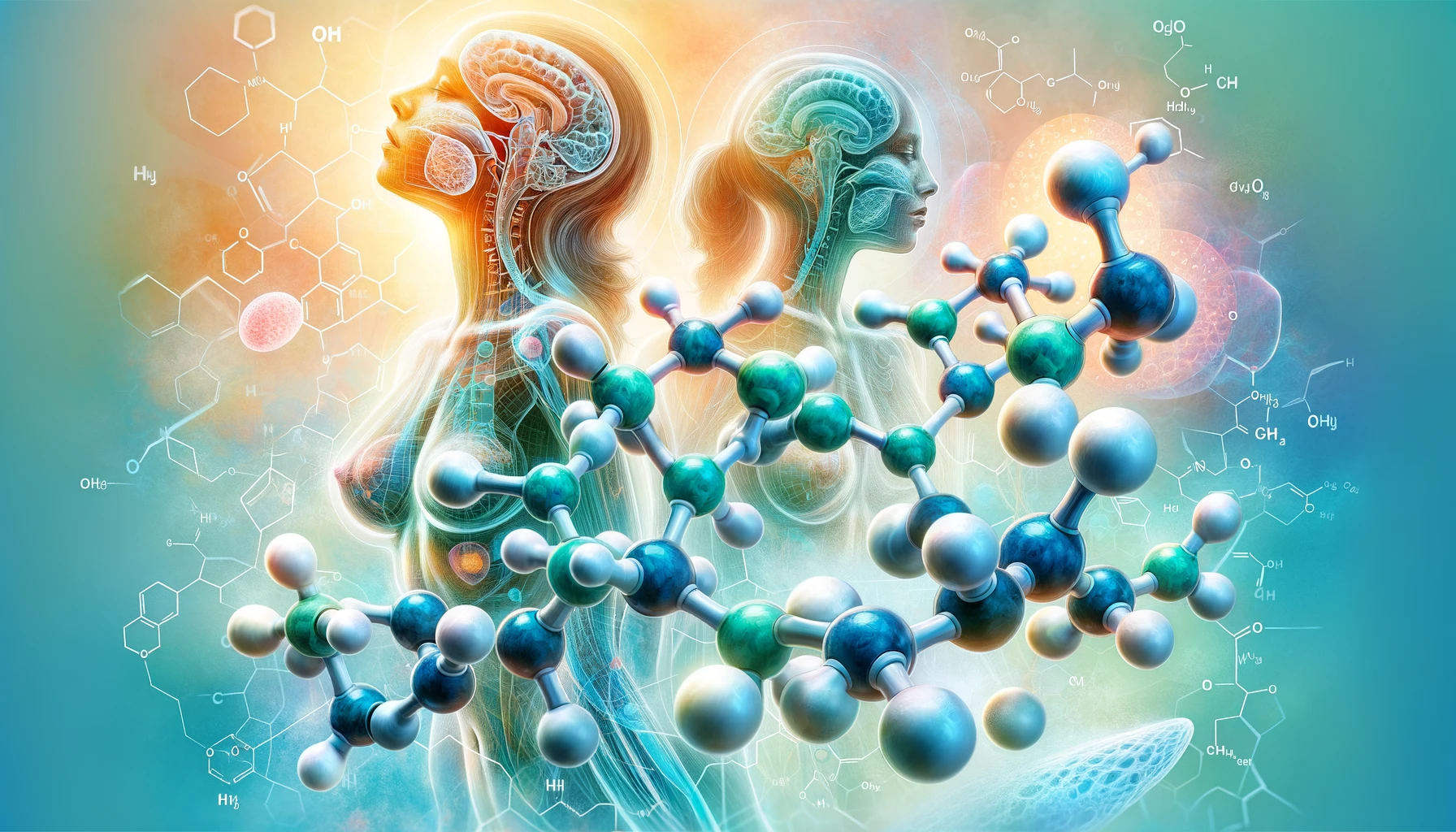
Progesterone

Complete Guide to Progesterone: Benefits, Uses & Safety

What is Bioidentical Progesterone?

Bioidentical (or body-identical) progesterone is molecularly identical to the hormone naturally produced by the human body It is critical to distinguish this from synthetic “progestins,” which are molecularly altered and patentable versions Clinical data and physiological outcomes demonstrate that bioidentical hormones are associated with lower risks for breast cancer and cardiovascular disease and are more efficacious than their synthetic or animal-derived counterparts While synthetic progestins are linked to a “litany of side-effects,” bioidentical progesterone has a 40+ year history of safe and effective use

Who Needs Progesterone?

A hormone imbalance can manifest through various symptoms that women recognize in their daily lives, such as mental fatigue, overthinking, and muscle stiffness When progesterone is insufficient to balance estrogen, women may experience PMS, PMDD, PCOS, weight gain, depression, and anxiety
Red-Flag Reminder: While educational resources provide support for hormonal balance, certain symptoms warrant immediate medical evaluation If you experience very heavy bleeding, bleeding after sex, or bleeding after 12 months without a period, please seek a clinical assessment to rule out serious underlying conditions.

How to Use Progesterone Safely

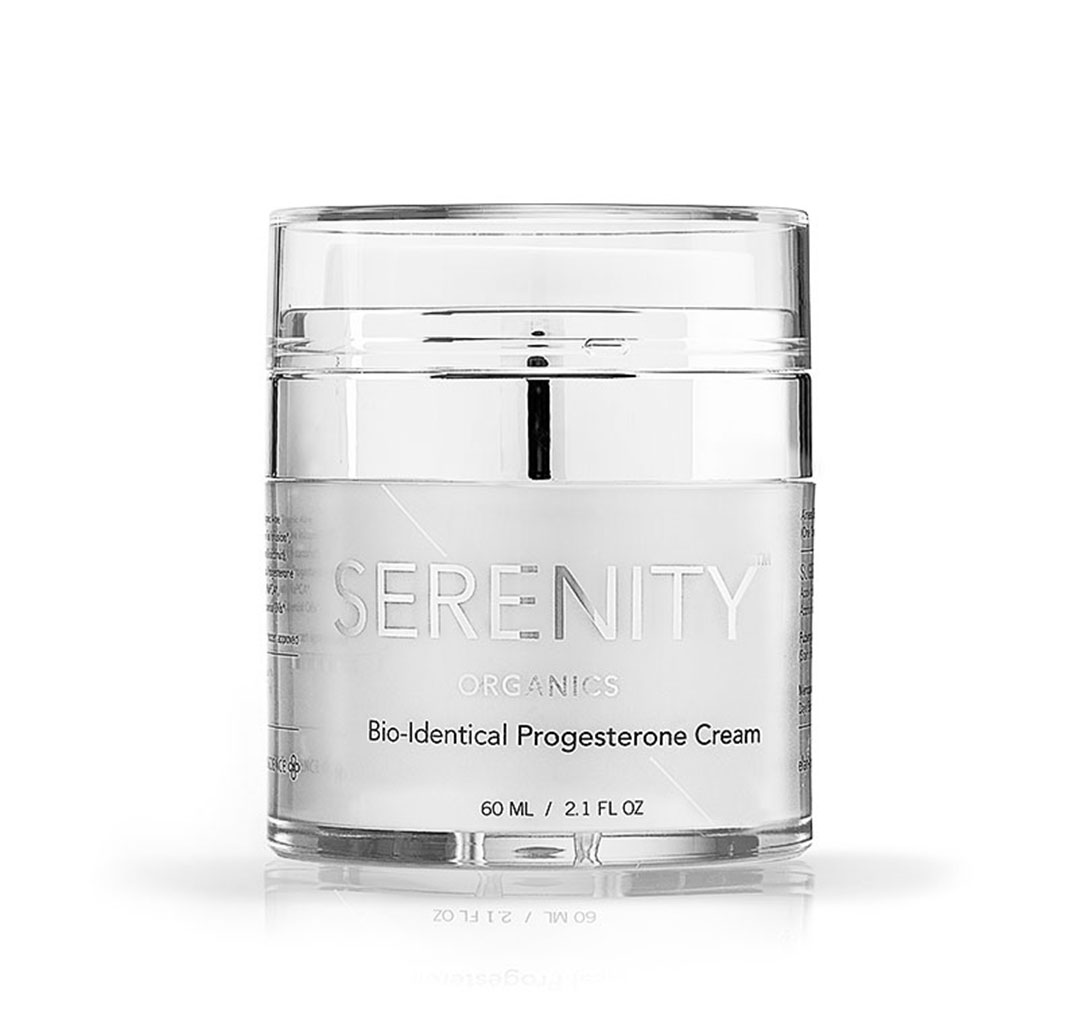
For the best results, bioidentical progesterone is often administered in a safe cream formula To provide the body with the best environment for hormonal regulation, it is recommended to support your use of progesterone with the “7 Pillars of Health” and consistent lifestyle management Educational clarity is the priority; understanding the physiological mechanisms of how progesterone regulates estrogen and supports the nervous system is the first step toward safe and effective use

Benefits by Life Stage

Cycling Years: Sufficient progesterone helps the body correct the underlying causes of the 150 different symptoms of PMS/PMDD, including cramping and irritability
It also supports a healthy libido by serving as the precursor for testosterone

Pregnancy and Postpartum: Progesterone is essential for fertility, conception, and maintaining a full-term pregnancy

A premature drop in levels is a primary factor in miscarriages, while the sharp drop at week 40 triggers birth but is also associated with post-partum depression

Menopause and Beyond: Progesterone alleviates the underlying cause of hot flashes and protects the brain by supporting restorative Phase IV sleep

Long-Term Vitality: Starting at age 37, women lose an average of 1.5% bone density annually; progesterone acts as a bone-trophic hormone, stimulating osteoblasts to build new bone tissue

Safety & Side Effects

Bioidentical progesterone is associated with a diminished risk for breast cancer compared to the increased risk associated with synthetic progestins It supports immune balance, heart health, and normal, programmed cell replacement in breast and ovarian tissues Most reported “side effects” of hormone therapy are actually attributed to the different chemical structures and physiological effects of synthetic versions rather than the body-identical hormone

Scientific Research

The benefits of progesterone are supported by extensive data, including over 100 published studies Research highlights its role in neuroprotection, showing that progesterone and its metabolite, allopregnanolone, support the brain’s ability to heal after injury Additionally, studies have indicated that progesterone-based therapy can protect against influenza by promoting lung repair and recovery in females